


Scrapbooking Stories
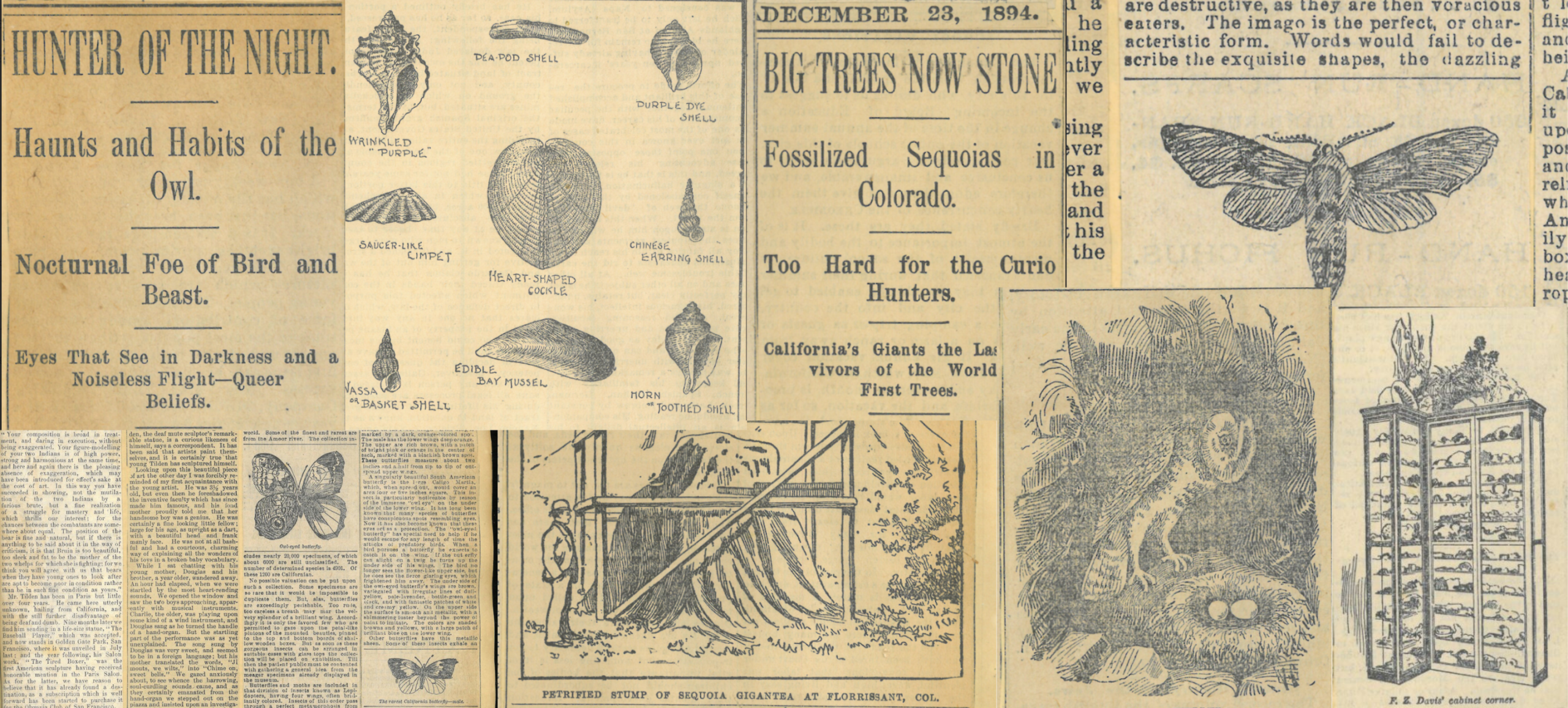
 Lighthouse keeper Laura Hecox was well known for building an incredible natural history collection while maintaining the Santa Cruz light. She left us with catalog books describing her collections, but no diary to describe her life. However, like many middle class 19th century women, she was an avid scrapbooker. For a few years now, we’ve had the pleasure to host a digitized version of one of her scrapbooks on our website. But for the first time in 120 years, all 6 books have been reunited with the rest of Laura’s collection.
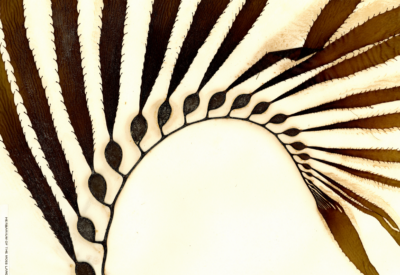
Each book is a world unto itself – one is small and plain on the outside, but filled with a riot of colorful and oddly shaped clippings that one never fully glued. Another has pages that seemed to have yellowed at wildly different rates, with articles on everything from fresh water sponges to bird migration. Yet another, more somber looking book contains pages upon pages of obituaries and poems.
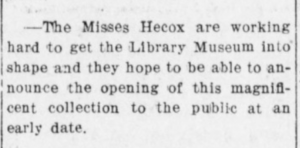 These books have been cared for this past century by the Santa Cruz Public Libraries, who likely received it alongside the rest of Laura’s collection which she donated to the city in 1904 to open a museum. We are fairly confident from the interests reflected that Laura was the collector for several of these, but we know that her mother helped her with cataloging her collection. That may have also extended to helping collect clippings.
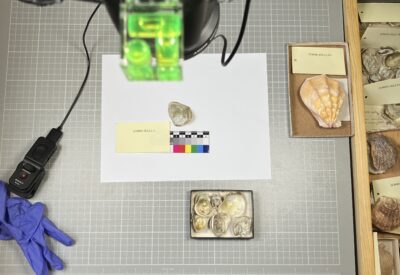
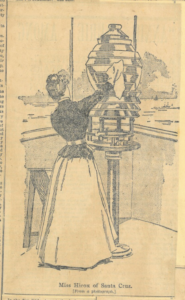
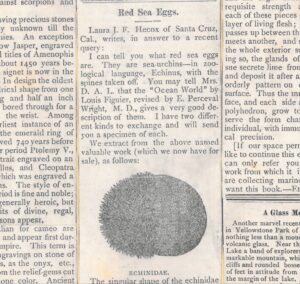
Not only did the library gift us the scrapbooks, they also fully digitized the entirety of them. While many local researchers, authors, and artists have explored these books before, the digitization process increases access to the fragile tomes. When digitizing the biggest one, curator Kathleen Aston was delighted to discover a variety of details that expanded our understanding of Laura’s life. This included a large article featuring Laura Hecox’s role tending the Santa Cruz light, alongside another regional lady lighthouse keeper, as well as a short article on “red sea eggs” authored by Laura herself. The latter is particularly exciting, as it is the only existing example we have of prose composed by Laura, and demonstrates her interest in public science communication. We know she wrote to scientists, though none of the letters appear to have survived. However, in this short article, Laura herself explains to the public that “red sea eggs” are actually urchin tests (shells), and invites interested parties to contact her if they want samples.
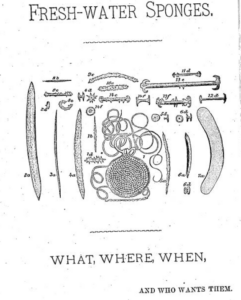
With the additional digitization of the remaining scrapbooks comes new compelling ways to explore the context of a 19th century lady naturalist, and to see the ways our own stories are not so different. A fun article about fresh water sponges bears a striking resemblance to contemporary natural history memes, an unexplained and abstract piece of marginalia invites us to wonder if Laura was a doodler. What story will strike you the most about these naturalist’s scrapbooks?
View Laura's Scrapbooks